Research
Biotechnology Section
Under Construction
Botany Section
BOTANY SECTION RESEARCH LABORATORIES
Plant Physiology and Molecular Analysis Laboratory
The laboratory provides the opportunity to investigate and conduct biochemical and molecular analyses comprehensively on processes and functions at the molecular, cellular, tissue, organ, and organism levels within the scope of plant metabolism physiology, plant growth, and development physiology. It is particularly focused on researching plant cultivation techniques, mineral nutrition, photosynthesis, plant metabolism, the effects of plant hormones and growth regulators on plant growth and development, and investigating morphological, biochemical, and molecular responses to various stress factors. Designed for students who aim to introduce functional mechanisms and techniques to increase the yield of agricultural crops and to carry out pioneering studies for agricultural and industrial applications, the laboratory is equipped with modern infrastructure (Nanodrop, ELISA, gel electrophoresis, spectrophotometer).
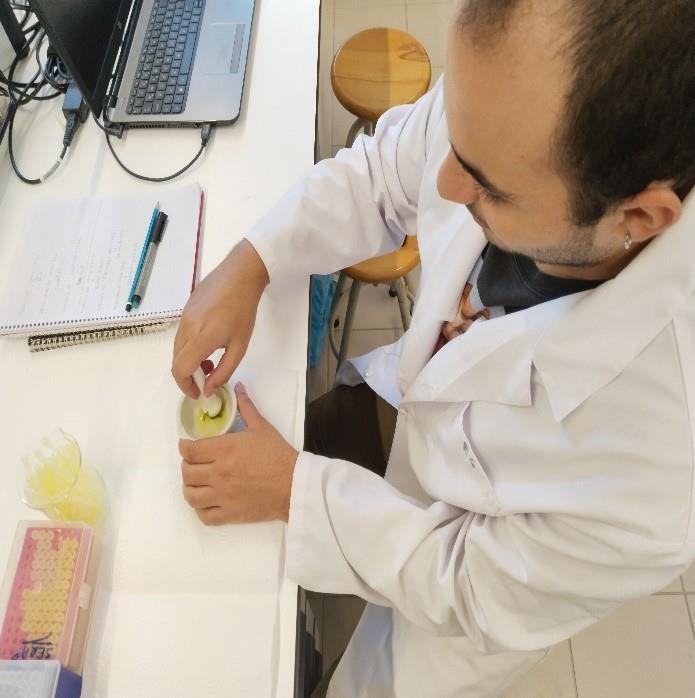
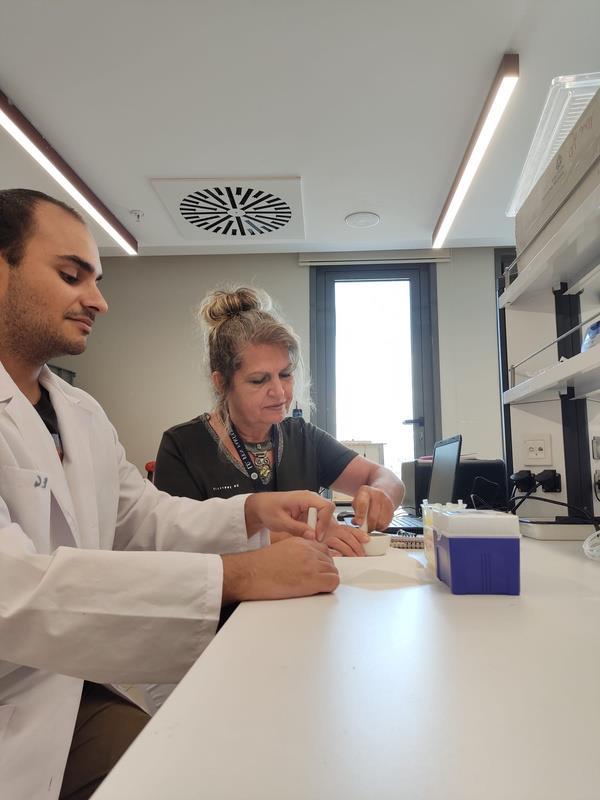
Plant Tissue Culture Laboratory
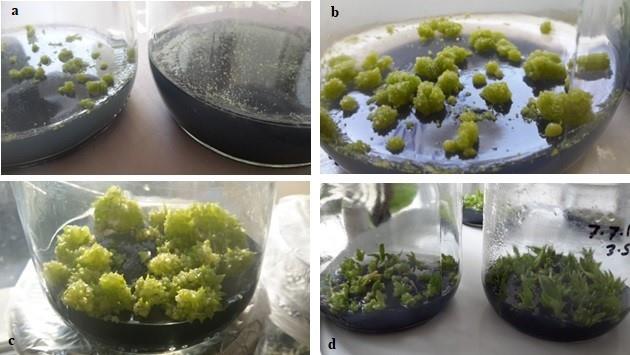
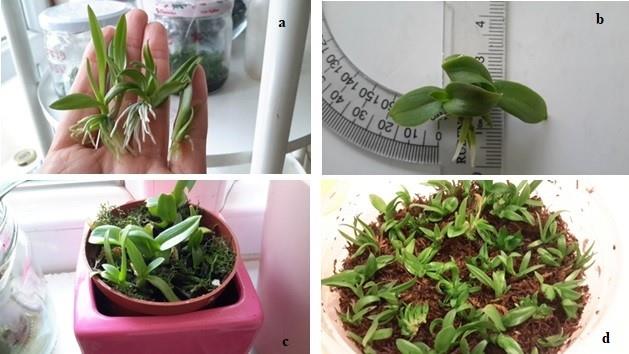
Plants can be propagated vegetatively in an aseptic environment, providing suitable conditions regardless of climate and environmental limitations throughout the year. The aim is to conserve, propagate, and economically valorize endemic plant species represented by over 3500 taxa in our country's flora, as well as other threatened plant genetic resources. Plant tissue culture methods are employed to preserve endemic and endangered plant genetic resources, clonal propagation of ornamental and crop plants, obtaining plants free from pathogens, production of secondary metabolites from medicinal and aromatic plants, and conducting morphological, biochemical, and molecular characterization studies related to oxidative stress. Our laboratory, staffed by experienced and young researchers, continues its academic activities supported by various strategic collaborations, as well as master's and doctoral thesis projects, both within and outside the institution.
Microtechnique Laboratory
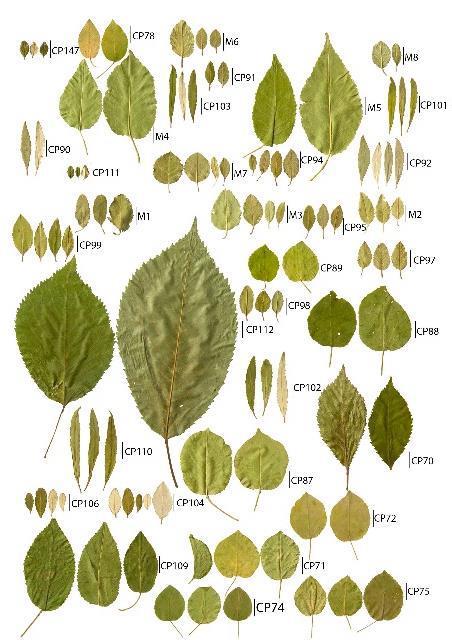
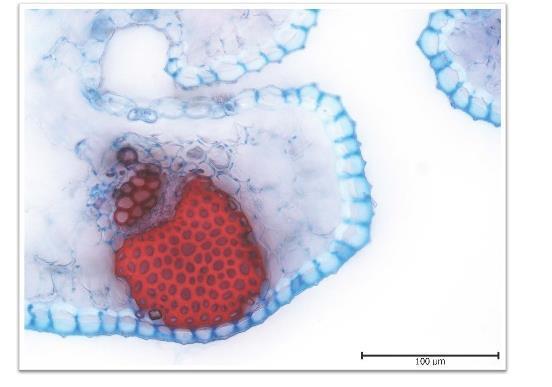
Biodiversity, molecular systematics, plant morphology, morphometrics, cytology, plant systematics, and plant anatomy are the focus areas of research in the laboratory. A project partnership supported by the German Research Foundation (DFG) Grant BL462/7, along with numerous BAP projects, has been completed/continues with the collaboration of teaching staff and graduate students in the laboratory. The Microtechnique Laboratory is equipped with devices such as the Leica Rotary Microtome, numerous incubators, thermoshakers, vortex mixers, and other tools used in microtechnique and molecular systematics. The staff of the Microtechnique Laboratory has discovered and introduced many new species to the scientific community. Additionally, the laboratory hosts researchers involved in the Illustrated Flora of Turkey project under the auspices of the Presidency of the Republic of Turkey. It provides services to all institutions in plant diagnosis and determination of plant material. The laboratory and its staff also facilitate the service of the ISTF (Istanbul University Faculty of Science Herbarium) to both foreign and domestic researchers. One national patent has been registered from within the laboratory (Geofit. Pot 2014/11353).
Scanning Electron Microscope (SEM) Imaging Laboratory
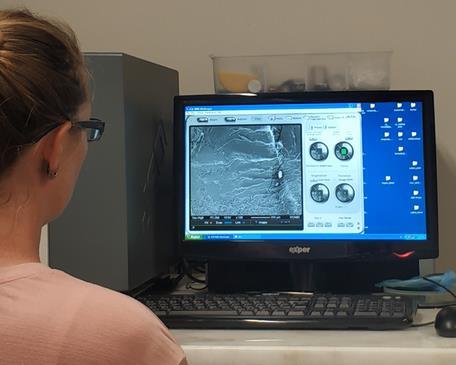
Research is conducted in the fields of micromorphology and functional morphology in this laboratory. Three-dimensional surface analysis, chromosome analyses, microscopic measurements, and all types of micro-imaging are performed in this facility, providing services to various institutions. The laboratory works with different materials such as plants, teeth, implants, fabrics, metals, minerals, etc. Various microscopes, 3D scanners, cameras, and macro objectives are available in the laboratory, including the Zeiss AxioScope A1 Research Microscope with Kameram Software v3.1.0.0, JEOlNeoscope JCM5000 Electron Microscope, and Olympus SZX7 Research Microscope. A TÜBİTAK 1001 project with the number 116Z247 has been completed in collaboration with teaching staff and graduate students in the laboratory. Numerous thesis projects and various BAP projects have been completed/are ongoing. One national patent has been registered from the SEM and Imaging Laboratory (2014/12232 Nature Capture Kit).
Imaging and Molecular Microbiology Laboratory (Phytopathology Laboratory)
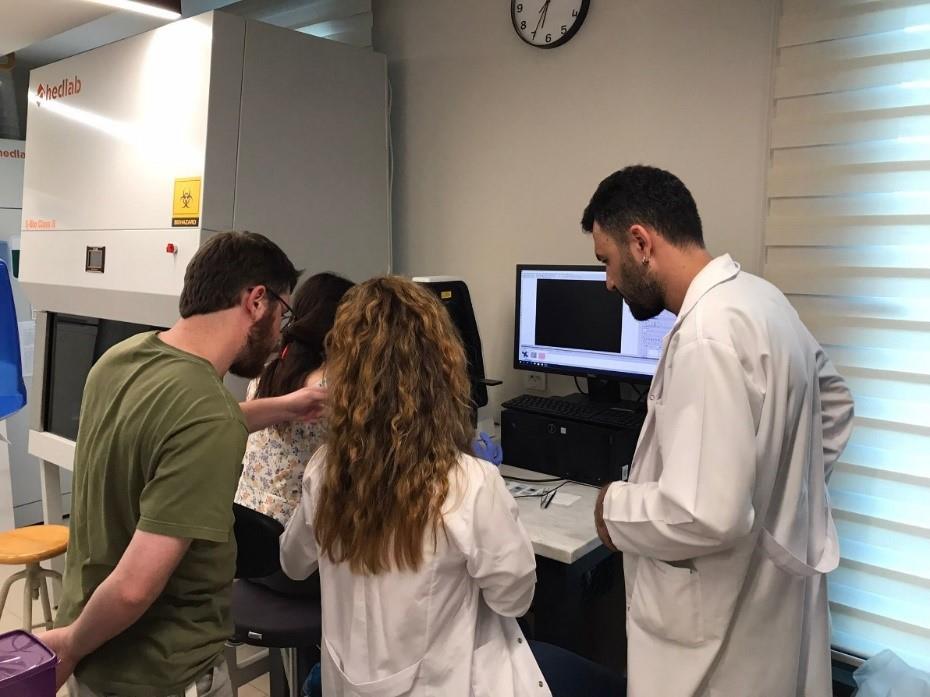
The laboratory, established in October 2019 under the leadership of Dr. Işıl Tulum with the support of the TÜBİTAK-2232 International Leading Researchers Program, focuses on several key research areas. These include understanding how bacteria in the Mollicute family and bacterial groups that are plant pathogens are formed, elucidating disease mechanisms, exploring evolutionary transitions among different lifestyles, and explaining the evolution of pathogenicity in bacteria. The research employs comparative genomic and proteomic approaches, real-time imaging of pathogenic organisms using advanced microscopy techniques, and the development of early diagnosis systems. Additionally, the laboratory is involved in interdisciplinary collaborations on the identification of extremophilic microorganisms, therapeutic applications of microorganisms, biosensor design, phytopathology, bioengineering, and synthetic biology. In addition to national collaborations, the laboratory participates in international collaboration projects with Osaka City University (Japan) and The University of Tokyo (Japan). Within the framework of the TÜBİTAK-2232 International Leading Researchers Program, four doctoral students in the laboratory are also supported by the Istanbul University Scientific Research Projects Unit (BAP). The laboratory hosts intern students who continue their research as part of the TÜBİTAK-2247 Intern Researcher Scholarship Program (STAR).
Computational Analysis Laboratory
Our laboratory addresses scientific questions through computational approaches, providing opportunities for a wide range of computational research such as protein modeling, alignment matrices, protein-atom interactions, de novo assemblers, and analyses of plant-pathogen (viral-microbial) genomes, as well as metagenomic analyses. Equipped with workstations and advanced software, our laboratory offers an ideal platform for researchers looking to expand scientific knowledge through computational analyses. Here, you can engage in computer-aided research in the fields of plant science and molecular biology, finding answers to scientific questions.
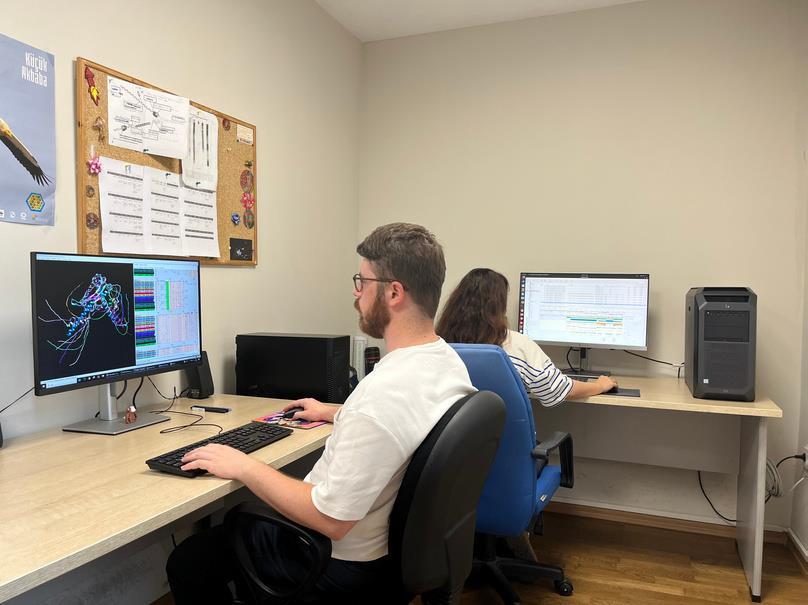
Biotechnology Laboratory
The laboratory conducts research in functional genomics, comparative genomics, applications of Next-Generation Sequencing (NGS) technologies, and their bioinformatics analyses in plants. It also focuses on fundamental scientific studies using Crispr-Cas9 technology, as well as the commercial applications of genetically modified plants for agriculture, health, industrial, and environmental benefits, including the development of enhanced plants for biofuels and biomaterials. The laboratory provides opportunities for molecular, physiological, and biochemical studies to improve plant traits important for human nutrition and to study plant adaptation to new environments. Our laboratory collaborates on joint projects with Istanbul Technical University, Marmara University, Yildiz Technical University, and Koc University. The laboratory offers both short-term and long-term internship opportunities. Research in the laboratory involves Master's and Ph.D. thesis projects focusing on next-generation gene editing technologies such as Crispr-Cas9, investigating plant development, plant defense mechanisms, internal and external signals, and circadian rhythm mechanisms.
RNA Biology Research Laboratory
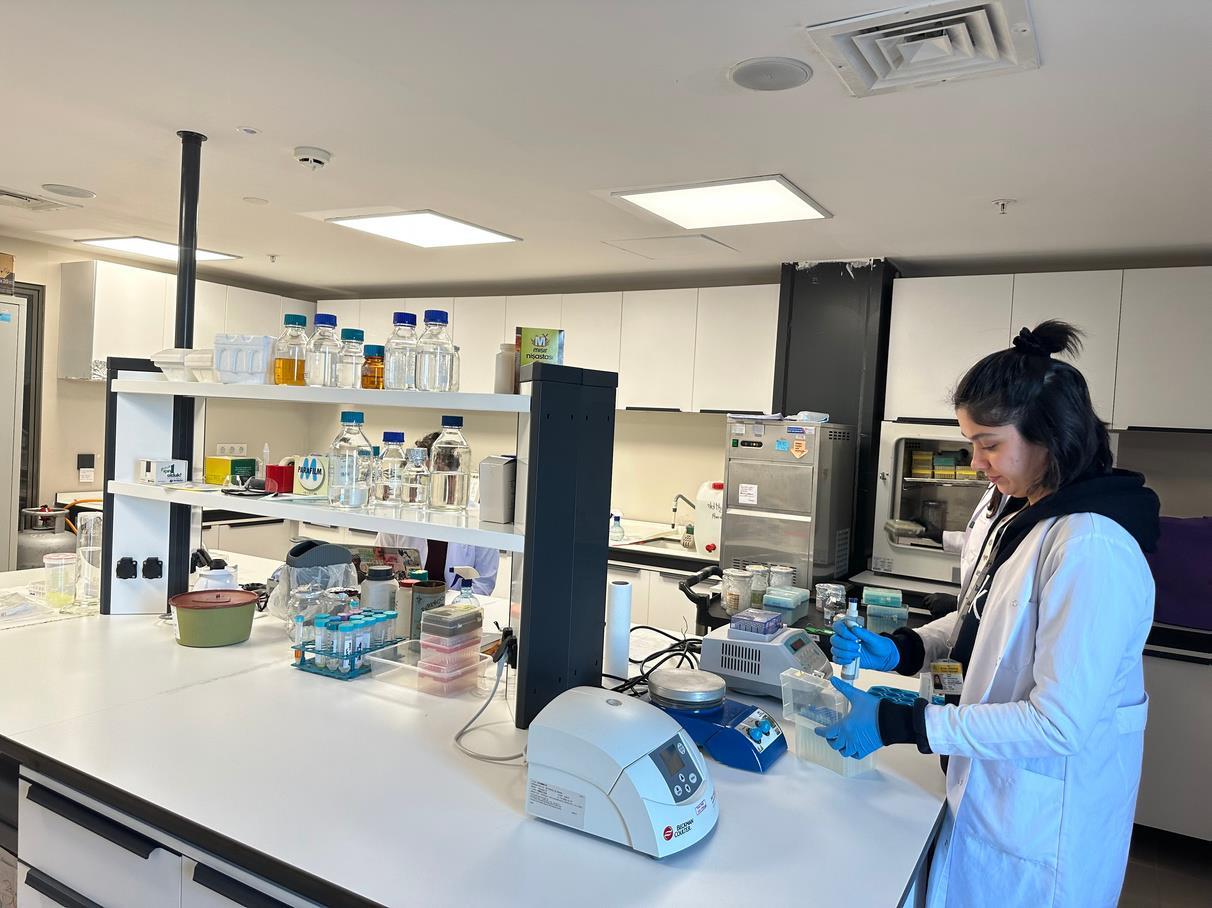
There have been significant developments in the fields of biology and medicine, especially in the last 50 years, with many of these advancements being groundbreaking. The Human Genome Project (HGP), whose results were shared in 2003, holds a crucial place in transforming contemporary biology and medicine. The HGP lasted approximately 15 years from 1990 to 2003 and cost a total of around 3 billion dollars. Alongside this substantial financial investment, scientists from various disciplines came together, leading to the application and development of many new experimental methods and bioinformatics analysis techniques. These methods and techniques were further utilized and refined in many large projects, such as ENCODE, which followed the HGP. Parallel to the dizzying advancements in next-generation DNA/RNA sequencing methods, it can be confidently stated that bioinformatics is currently in its golden age. RNA Biology Research Laboratory is actively contributing to this era by developing necessary analysis methods using various computational approaches, including machine learning, for the analysis of this vast biological data. Furthermore, our laboratory conducts both experimental and computational biology analyses of all next-generation DNA/RNA methods (mRNA-seq, miRNA-seq, tRNA-seq, Ribo-seq, Nanopore-seq, etc.) for the analysis of big biological data.
Cell Culture Laboratory
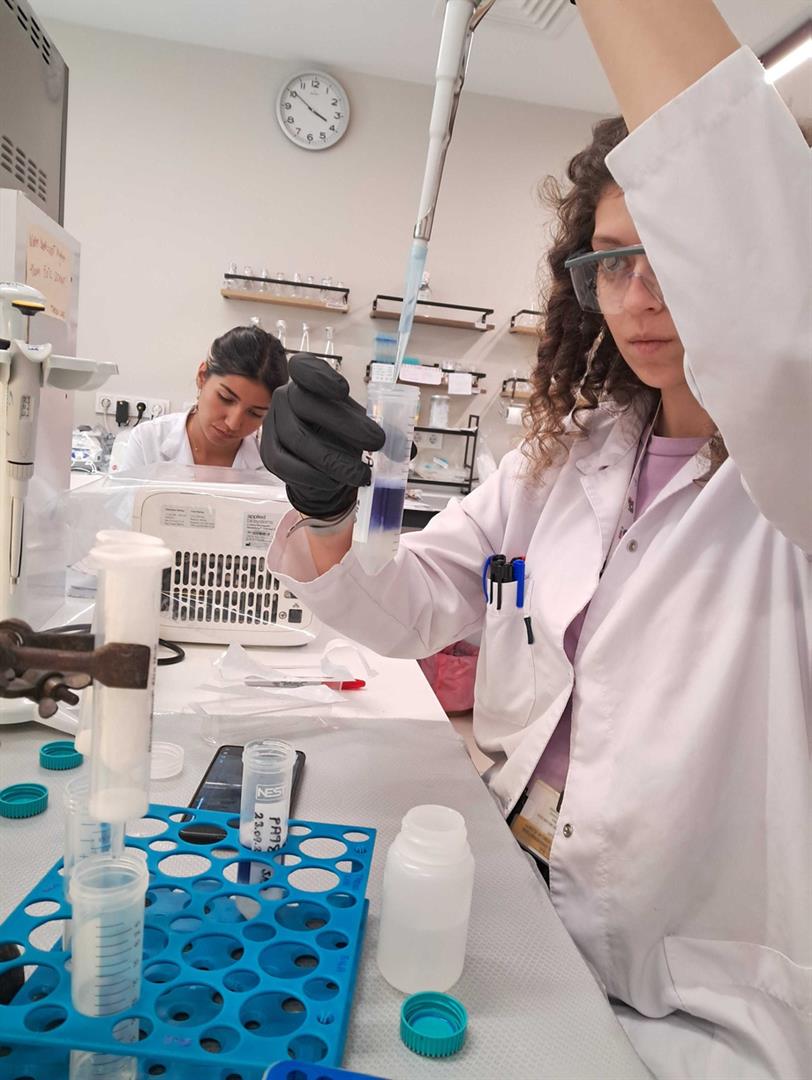
The applications of toxicology analyses span across various fields, from assessing the impact of next-generation RNA therapeutics on mammalian cell lines to future in-vivo animal studies. The data obtained here holds significant importance for planned in-vivo animal experiments in the future.
Environmental Food and Instrumental Analysis Laboratory
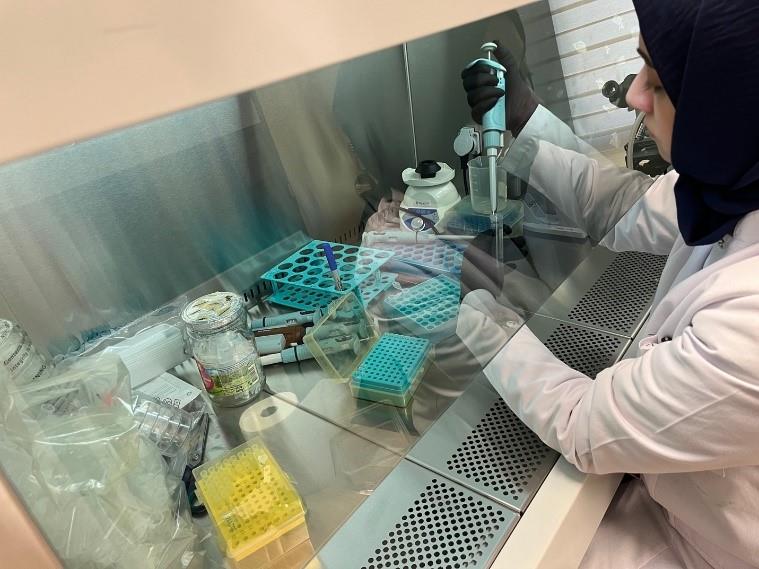
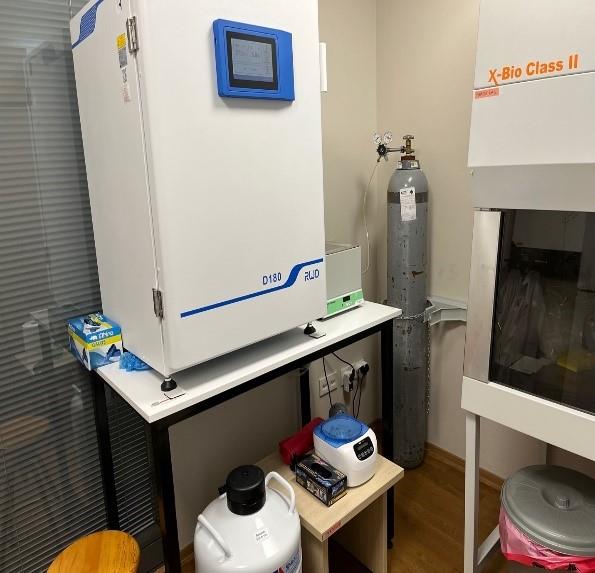
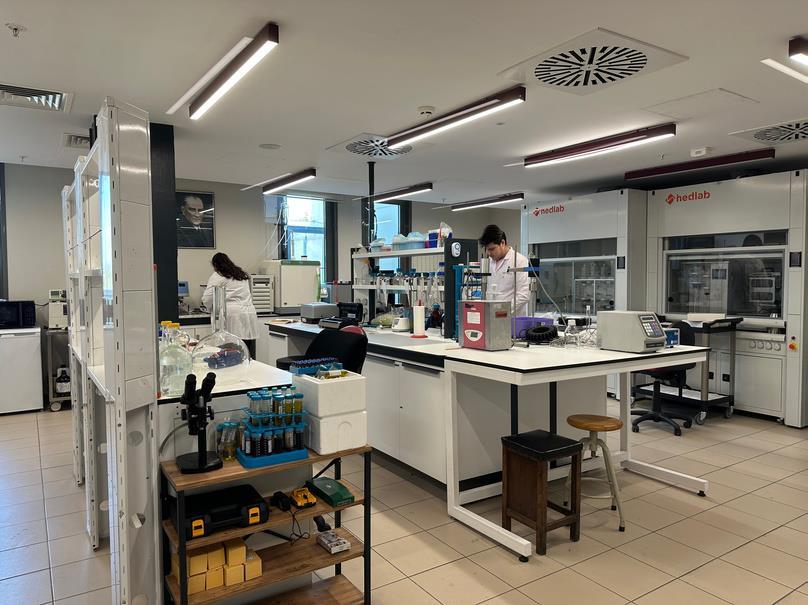
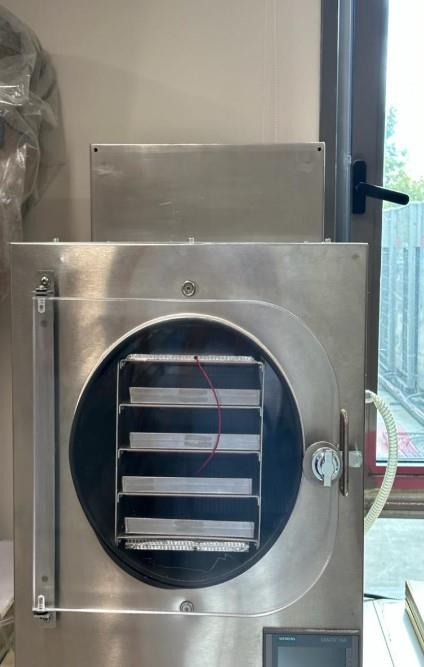
Established through Istanbul University's Scientific Research Projects Unit, as well as projects supported by TUBITAK, TAGEM, ISTKA, and the Ministry of Industry, our laboratory continues to strengthen its infrastructure every day. The laboratory is dedicated to research in plant metabolomics, heavy metal toxicity, phytoremediation of contaminated environments, and various physicochemical and phytochemical analyses of plants, plant products, and food products. Our laboratory conducts research activities in the fields of food and food additives, feed and feed additives, and water and animal tissues. The analyses involve spectrophotometry, polarimetry, spectroscopy, and mass spectrometry-based methods, as well as method optimizations using Soxhlet, microwave, ultrasonic extraction systems. Additionally, the laboratory utilizes essential laboratory equipment such as the Kjeldahl protein analyzer, viscometer, lyophilizer, color determination device, and muffle furnace, adhering to international standards. In addition to providing internship opportunities, our laboratory collaborates on joint projects with various universities, leading to the execution of numerous master's and doctoral thesis studies.
Medicinal and Aromatic Plants Research and Development Laboratory
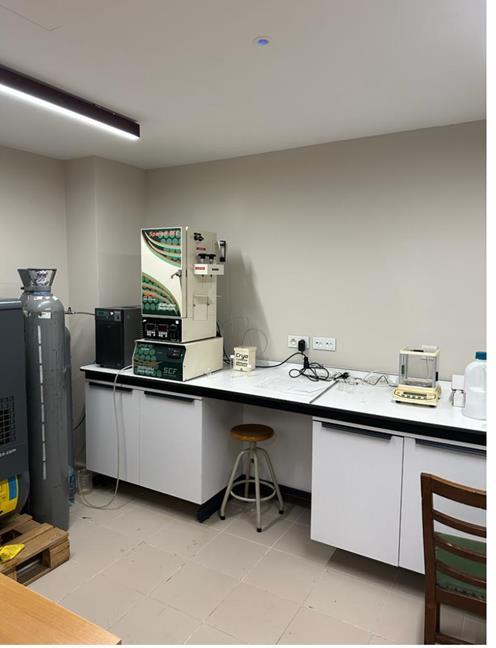
The laboratory conducts studies on medicinal and aromatic plants found in our flora using Supercritical CO2 and unique extraction methods. The extracts obtained, being obtained through "green technology," can be evaluated as products or raw materials for use in the global fields of "edible" health, food, and cosmetics. In addition, in the extracts obtained from Supercritical CO2 extraction studies, the presence of new bioactive molecules, especially effective in the field of health and not seen in traditional extractions, can be detected due to the application of different parameters. The primary goal of the group is to identify natural antiviral, antibacterial, anticancer, etc., phenolic and flavonoid substances with specific and new molecules obtained in the laboratory. Interdisciplinary collaborations at the universities in the health and food fields to determine the health effects of these substances and molecules (cancer, obesity, cirrhosis, autoimmune diseases, etc.), and R&D studies are being conducted.
ISTF Herbarium: Plant Conservation and Documentation
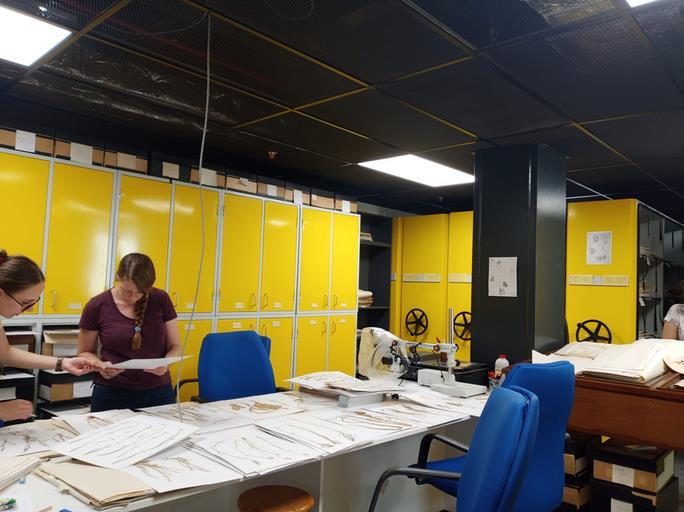
Established in the late 1930s in the Department of Botany at Istanbul University by the German botanist Prof. Dr. A. Heilbronn, ISTF Herbarium was officially recognized as an international herbarium by being registered in the Index Herbariorum index on January 1, 1956. The herbarium houses a rich collection of pressed and dried (or fixed with alcohol or other fixatives) plants, fungi, and algae, cataloged and recorded with a specific discipline. These collections, containing various plant species, serve as a reference source in scientific research to document plant diversity. Information such as the scientific names of specimens, where and by whom they were collected, and the date of collection, as well as the individuals who diagnosed them, is recorded and accessible. In addition to traditional herbarium collections, efforts are ongoing to digitize this unique collection for the digital environment.
Environmental Biology and Ecology Section
ENVIRONMENTAL BIOLOGY and ECOLOGY SECTION LABORATORY
- Investigation of ecology, species diversity and distribution of inland water fishes
- Studies on growth and reproductive biology of fish
- Examination of ecological relationships between fish species and their habitats
- Studies on new fish species, endemic and alien species in our inland waters
- Benthic macroinvertebrate species living in inland waters
- Identification of Ostracoda (Crustacea) species
- Ecology and distribution of Ostracoda species
- Examination of inland waters in terms of water quality
- Examination of microplastic pollution and accumulation in inland waters and human contact materials
- Heavy metal accumulation in abandoned mines, soil and plants
- Hyperaccumulators
- Studies on the phytoremediation potential of medicinal plants and the determination of suitable plants for phytoremediation and ecorestoration of polluted environments.
- Nanoparticle toxicity
- Mycorrhiza and drought
- Photosynthesis and ROS microalgae and hormones
General Biology Section
GENERAL BIOLOGY SECTION RESEARCH LABORATORIES
1. Radiobiology and Biological Dosimetry Laboratory: Researches and biological dosimetry studies are carried out to understand the role of chromosome radiosensitivity in predicting the response of radiotherapy patients, and to understand the relationship between chromosome instability, cancer and aging.
2. Tissue and Immunohistochemistry Laboratory: The study areas of this laboratory include examining various experimental models such as cancer, diabetes and hyperlipidemia created in laboratory animals, doing toxicity studies, and investigating the effects of various antioxidants and drugs using histological, immunohistochemical, molecular and biochemical methods.
3. Cell and Tumor Biology Research Laboratories: Cultivation of normal and tumoral cell lines in vitro, investigation of the effects of application of herbal and animal origin agents or drugs to cell lines on the growth kinetics, ion channels and metastatic properties of the cells, cell kinetics, toxicity, motility invasion, apoptosis experiments and gene expression levels are carried out using immunocyto/histochemical, radiobiology and molecular biology methods.
4. Molecular Cancer Biology and Bioinformatics Research Laboratory: In vitro cytotoxicity analyzes in cell and tissue culture of various agents and plant extracts (endemic and non-endemic) used in the treatment of many diseases, including cancer; Mitotic Index, Labeling Index and Apoptotic Index values of cell kinetics parameters; bioinformatics and molecular analyzes of DNA damage and repair and signaling pathways of various types of cell death, detection of DNA fragmentation, which is a molecular marker of apoptosis, transcriptional level representation of the bcl-2 gene family, and radio/chemo sensitivity studies are ongoing.
5. Radioecology Laboratory: In this laboratory, single and combined (multistress) effects of stressors on marine organisms are investigated. Marine organisms are exposed to both climate change-induced stressors (ocean acidification, warming and hypoxia) and pollution-induced stressors (chemical elements, organic pollutants, radionuclides and microplastics) under laboratory conditions, and the resulting biological changes are examined. Radioeocological, physiological and molecular techniques are used to examine these biological changes.
6. Molecular Radiobiology and Plant Biotechnology Laboratory: New plant lines that are resistant to various abiotic stress factors (drought, salinity, herbicides, etc.) with gamma radiation are developed in vitro, and molecular and biochemical analyzes of these developed mutant plants are performed.
7. Molecular Radiobiology and Plant Genomics Research Laboratory: In the laboratory established within the scope of STRIGA, supported by the IAEA, studies are carried out on the production of haploid plants from paddy and wheat plants, the increase of products of economic and medical importance such as essential oils through ploidy improvement in plants, and the development of new plant lines with increased tolerance to various abiotic and biotic stress factors.
Hydrobiology Section
HIDROBIOLOGY SECTION RESEARCH LABORATORIES
Plankton Research Laboratory:
- Identifying plankton species and their abundance in marine and freshwater resources and recording them using a digital imaging system,
- Investigation of plankton species that cause mucilage and harmful unicellular algal blooms (HABs),
- Identification of dinoflagellate cysts in marine sediments,
- Measurement of chlorophyll-a content in biomass determination,
- Determination of suspended solids in water by gravimetric method,
- Sterilisation and drying with dry air,
- Separation of solids and liquids in samples by centrifugation,
- Dissolving of various chemicals and cleaning of some substances with ultrasonic water bath,
- Fixation of samples with alcohol or formaldehyde solutions in the laboratory,
- Preparation of diatom frustules by acid digestion and permanent preparation,
- Analyses such as water quality analysis and determination with indices based on biotic and abiotic components are carried out.
Plankton Culture Laboratory:
- Determination of plankton species and their abundance and recording with digital imaging system,
- Cultivation of unicellular planktonic organisms in laboratory environment,
- Isolation and cultivation of plankton species that cause mucilage and harmful algal blooms (HABs),
- Establishment of plankton culture collections with high biotechnological and economic value,
- Conversion of dinoflagellate cysts in marine sediment to vegetative stage in culture medium,
- Preparation of media suitable for the needs of planktonic organisms such as F/2 and Johnson
- Creation of an incubation environment at various temperatures with the help of an incubator,
- In the laboratory, important research is carried out in culture studies, such as fixation of samples with alcohol or formaldehyde solutions.
Benthos Research Laboratory:
- Measurement of salinity and dissolved oxygen in seawater by chemical titration method;
- Determination of various elements in seawater by spectrophotometric methods;
- Determination of total organic carbon in sediment samples by chemical titration;
- Volumetric measurement of total calcium carbonate in sediment samples;
- Determination of total phosphorus content in sediment samples by spectrophotometric method;
- Determine the percentage of silt in the sediment;
- Determination of microplastic and heavy metal accumulation in sediments, invertebrates and fish;
- Qualitative and quantitative determination of the benthic and pelagic invertebrate fauna of marine and lagoon ecosystems, temporal and spatial investigation of their distribution;
- Identification of marine benthic and pelagic invertebrate alien species, monitoring of endemic or endangered species;
- Assessment of the ecological quality status and the benthic ecosystem by establishing relationships between the number of species and individuals of marine benthic invertebrates and abiotic properties of seawater and sediment.
- Investigation and monitoring of the effects of changes in the marine environment and benthic invertebrate fauna as a result of pressures such as pollution and climate change;
- Examination how enzyme activities of marine invertebrate species are affected under various stresses;
- Many research activities are carried out, such as phylogenetic analyses of marine invertebrate species and molecular studies of differences between populations in different regions.
Fish and Fisheries Research Laboratory:
- Analysis of the fish fauna of our country, revealing endemic and protected species,
- Conservation work on endangered cartilaginous fish species,
- Marine Protected Areas Biodiversity studies
- Investigation of growth and reproductive biology of fish species, determination of the smallest fishable fish size and age,
- Many analyses such as bycatch in fishing activities and determination of fishing impacts on living communities are carried out.
Water Analysis Laboratory:
- Measurement of salinity and dissolved oxygen content of seawater by chemical titration method,
- Determination of nutrient elements such as NH4-N, PO4-P, Silikat-Si by spectrophotometric method,
- Measurement of NO2+NO3-N nutrient element with autoanalyser,
- Pigment analyses,
- Determination of protein, carbohydrate and lipid content in cell and tissue extracts,
- Determination of biological oxygen demand (BOD5),
- Determination of suspended solids in water by gravimetric method,
- Sterilisation and drying with dry air,
- Sterilisation by steam pressure at high temperature,
- Analyses such as determination of total organic carbon content and percentage of mud in sediment samples are carried out.
Environmental DNA (eDNA) Analysis Laboratory:
- Isolation and purification of eDNA from water and sediment samples,
- DNA isolation, purification and PCR reactions from living tissue samples,
- Phylogenetic analysis of aquatic organisms by DNA sequencing,
- Studies are carried out in areas such as the identification of aquatic biodiversity with environmental DNA from water and sediment samples, and existing taxa.
Marine Bioactive Substance Research Laboratory:
- SDS-PAGE analysis,
- Antimicrobial tests,
- Cytotoxicity analysis,
- Extraction of bioactive substances,
- Biopolymer extraction,
- Solution preparation for nanofibre making,
- Analyses such as sample preparation for isotope analyses are performed.
Molecular Biology Section
MOLECULAR BIOLOGY SECTION RESEARCH LABORATORIES
Molecular Biology Research Laboratory
Cell death, damage, and repair mechanisms are investigated at the molecular level in various experimental disease models and human diseases in vivo and in vitro. In this laboratory, molecular biology studies are carried out on apoptosis, necrosis, autophagy, cell proliferation, tissue regeneration, fibrosis, signaling pathways related to various growth factors and cytokines, glycobiology: lectin-carbohydrate interactions, targeted cancer treatment studies within the scope of nanobiotechnology, and anticancer activities of some molecules. DNA and RNA isolation, analysis and imaging, gene expression analyses: RT-PCR, in-situ hybridization, various glycan detection and analysis, single and multiple immunohistochemical and immunofluorescence methods, immunoprecipitation, 1D- and 2D protein electrophoresis and western blotting methods are applied. Additionally, protein isolation and purification, protein analysis, determination of enzyme activities, oxidant/antioxidant parameters, apoptotic and necrotic markers, inflammatory and anti-inflammatory agents, various growth factors and cytokines in animal and human tissue homogenates, cell lysates, blood, serum, plasma, and bronchoalveolar fluid samples are analyzed using ELISA, spectrophotometric, colorimetric and electrophoretic methods.
There are 3 cell culture laboratories in the Molecular Biology Section:
1. Primary and Stem Cell Research Laboratory
2. Translational Biology and Nanobiotechnology Research Laboratory
3. Molecular Cancer and Glycobiology Research Laboratory
Primary and Stem Cell Research Laboratory
In our laboratory, pancreatic beta cells were isolated for the first time in Turkey and studies were carried out at the single cell level with long-term culture applications. The molecular mechanisms affecting beta-cells in diabetes are investigated in the context of cell death, damage and repair pathways. Our research group, which has been working in vitro with primary pancreatic beta-cells and pancreatic islet-derived progenitor cells isolated from experimental hyperglycemic and diabetic animals for many years, aims to make a fundamental contribution to therapeutic approaches for human health and to put studies into practice by creating a bridge between basic and clinical sciences. In this context, 1 European patent and 3 national patents were obtained and articles were published in many high-impact international journals. The central roles of cell plasticity in the pancreas during the development of Type 2 diabetes and pancreatic cancer; in the liver during the development of NAFLD/NASH; in brain in the pathogenesis of Alzheimer's disease and the relevant molecular mechanisms are being investigated within the scope of 2 national and 2 international outsourced projects supported by TÜSEB and TÜBİTAK. In addition to FACS, MACS, qRT-PCR and immunofluorescence analysis methods, which are the basic techniques of stem cell biology research, various transcriptomic, epigenetic and proteomic methods are used.
Translational Biology and Nanobiotechnology Research Laboratory
Translational studies are carried out in the laboratory, investigating the mechanisms involved in acute and chronic lung injury and repair, pulmonary fibrosis, miRNA and LncRNA biology, and epithelial-mesenchymal transition at the molecular level. Additionally, the focus is on discovering effective molecules and new therapeutics in the pathogenesis and treatment of idiopathic pulmonary fibrosis, pulmonary emphysema, and lung cancer. For these purposes, data obtained from experiments on various human lung epithelial and mesenchymal cell lines are compared with data obtained from lung biopsies from lung disease animal models and patients. In our projects funded by TUSEB, TÜBİTAK, and BAP, cell differentiation, cell death, cell proliferation, protein-protein and protein-nucleic acid interactions, TGF-β and Wnt signaling pathways are investigated with transcriptomic, protein, in silico, molecular and biochemical analyses. As a result of these studies, one European patent was registered, one European and one national patent application was completed, and articles were published in international journals. The present collaborations: Faculties of Medicine of Istanbul-Cerrahpaşa University, Koç University, Health Sciences University, Istanbul University Faculty of Pharmacy and Kartal-Koşuyolu Training and Research Hospital.
Within the scope of nanobiotechnology, experiments are being carried out to provide targeted cancer treatment by applying substances that cause cell death to the cells with nano formulations in Insulinoma INS-1 cells, which are benign pancreatic beta-cell tumors, and various aggressive pancreatic cancer cells. In this way, it is aimed to minimize the side effects of current cancer treatments. Within the scope of numerous joint studies carried out with Istanbul University Cerrahpaşa, Istanbul University and Bezmialem University Faculty of Pharmacy, active substances loaded into synthesized nanoformulations are applied to cancer cells and the molecular mechanisms of cell death occurring in the cells are studied. Young researchers are also able to gain experience through postgraduate studies in this field. In addition, exosomes, which are natural nanoparticles that carry proteins, lipids and nucleic acids between cells and have many functions between cells, are also studied. A master's thesis on the treatment of pancreatic cancer was made with exosomes isolated from pancreatic islet-derived progenitor cells, which were characterized in our Primary and Stem Cell Research laboratory, and was published in an international journal, and future projects are planned in this context.
Molecular Cancer and Glycobiology Research Laboratory
In the Molecular Cancer and Glycobiology Research Laboratory, various studies are carried out using different tumor cell lines such as thyroid, breast, insulinoma, pancreas and hepatocellular carcinoma, with the aim of developing new molecules and approaches that can contribute to cancer therapy, as well as the cellular and molecular mechanisms involved in the formation of proliferative and malignant characters of cancer cells. is continued.
Molecular studies are being conducted on lectin-carbohydrate interactions and the anticancer activities of some molecules for glycobiology-based cancer research. The anticancer activities of various peptides and tyrosine kinase inhibitors are being investigated using cell lines obtained from normal tissue and tumor tissue. In this context, the first experiments are being carried out to discover various substances that can be drugs. In addition, studies on determining epigenetic-based changes in cancer stem cells are continuing. Determination of cell proliferation and cell death, protein electrophoresis and western blotting, immunocytochemistry and immunofluorescence methods, immunoprecipitation, migration and invasion experiments, detection of cancer stem cell population by flow cytometry analysis of cell surface proteins, measurement of intracellular reactive oxygen species, determination of histone modifications, immunoprecipitation, gene expression analyses: qPCR, in-situ hybridization, various glycan detection and analysis methods, DNA and RNA isolation, analysis and imaging, and sphere and colony formation experiments to measure tumorigenic potential.
Fundamental and Industrial Microbiology Section
FUNDAMENTAL and INDUSTRIAL MICROBIOLOGY RESEARCH LABORATORIES
Microbiology Research Laboratory
- The discovery of new antimicrobial agents
- Microplastic biodegradation
- High-performance concrete improvement
- Bacterial pathogenicity and virulence factors
- Determination of antimicrobial activity
- Antimicrobial agent and disinfectant efficacy tests (süspansiyon, biofilm)
- Bioremediation
- Food microbiology
- Cave microbiology
- Water microbiology (sea, fresh water, drinking water, potable water)
- Isolation and identification of free-living amoeba and various bacterial groups from environmental samples by using cultural methods
- Antibiotic and heavy metal resistance in bacteria isolated from food and environmental samples
- Heterotrophic biofilms and disinfection in man-made water systems
- Microbiological deterioration of historical manuscripts
- Sustainable microbial agriculture practices
Anaerobic Research Laboratory
- Detection and prevention of microbiologically induced corrosion
- Petroleum Microbiology (bacterial isolation, identification and bioremediation)
- Isolation and identification of obligate anaerobic microorganisms
- Isolation and identification of free-living amoeba and fungus from environmental samples using molecular methods.
Mycology
- Aeromicrobiology
- Isolation and identification of fungus from environmental samples by using cultural method
- Screening of basic fungal enzymes
Molecular Microbiology
- Genomics
- Antibiotic resistome
- Identification of various bacterial, amoebal and fungal groups from food and environmental samples using molecular methods
- Genotypic determination of virulence factors in pathogenic bacteria
- Detection of antibiotic and heavy metal resistance genes in bacteria isolated from food and environmental samples
Zoology Section
ZOOLOGY SECTION RESEARCH LABORATORIES
1- Physiology-Physiopathology Research Laboratory
2- Physiology Research Laboratory
3- Developmental Biology Research Laboratory
4- Histology Research Laboratory
5- Cell and Tissue Culture Research Laboratory
6- Molecular Biodiversity Research Laboratory
7- Systematic Entomology Laboratory
Under Construction
BOTANY SECTION RESEARCH LABORATORIES
Plant Physiology and Molecular Analysis Laboratory
The laboratory provides the opportunity to investigate and conduct biochemical and molecular analyses comprehensively on processes and functions at the molecular, cellular, tissue, organ, and organism levels within the scope of plant metabolism physiology, plant growth, and development physiology. It is particularly focused on researching plant cultivation techniques, mineral nutrition, photosynthesis, plant metabolism, the effects of plant hormones and growth regulators on plant growth and development, and investigating morphological, biochemical, and molecular responses to various stress factors. Designed for students who aim to introduce functional mechanisms and techniques to increase the yield of agricultural crops and to carry out pioneering studies for agricultural and industrial applications, the laboratory is equipped with modern infrastructure (Nanodrop, ELISA, gel electrophoresis, spectrophotometer).
Plant Tissue Culture Laboratory
Plants can be propagated vegetatively in an aseptic environment, providing suitable conditions regardless of climate and environmental limitations throughout the year. The aim is to conserve, propagate, and economically valorize endemic plant species represented by over 3500 taxa in our country's flora, as well as other threatened plant genetic resources. Plant tissue culture methods are employed to preserve endemic and endangered plant genetic resources, clonal propagation of ornamental and crop plants, obtaining plants free from pathogens, production of secondary metabolites from medicinal and aromatic plants, and conducting morphological, biochemical, and molecular characterization studies related to oxidative stress. Our laboratory, staffed by experienced and young researchers, continues its academic activities supported by various strategic collaborations, as well as master's and doctoral thesis projects, both within and outside the institution.
Microtechnique Laboratory
Biodiversity, molecular systematics, plant morphology, morphometrics, cytology, plant systematics, and plant anatomy are the focus areas of research in the laboratory. A project partnership supported by the German Research Foundation (DFG) Grant BL462/7, along with numerous BAP projects, has been completed/continues with the collaboration of teaching staff and graduate students in the laboratory. The Microtechnique Laboratory is equipped with devices such as the Leica Rotary Microtome, numerous incubators, thermoshakers, vortex mixers, and other tools used in microtechnique and molecular systematics. The staff of the Microtechnique Laboratory has discovered and introduced many new species to the scientific community. Additionally, the laboratory hosts researchers involved in the Illustrated Flora of Turkey project under the auspices of the Presidency of the Republic of Turkey. It provides services to all institutions in plant diagnosis and determination of plant material. The laboratory and its staff also facilitate the service of the ISTF (Istanbul University Faculty of Science Herbarium) to both foreign and domestic researchers. One national patent has been registered from within the laboratory (Geofit. Pot 2014/11353).
Scanning Electron Microscope (SEM) Imaging Laboratory
Research is conducted in the fields of micromorphology and functional morphology in this laboratory. Three-dimensional surface analysis, chromosome analyses, microscopic measurements, and all types of micro-imaging are performed in this facility, providing services to various institutions. The laboratory works with different materials such as plants, teeth, implants, fabrics, metals, minerals, etc. Various microscopes, 3D scanners, cameras, and macro objectives are available in the laboratory, including the Zeiss AxioScope A1 Research Microscope with Kameram Software v3.1.0.0, JEOlNeoscope JCM5000 Electron Microscope, and Olympus SZX7 Research Microscope. A TÜBİTAK 1001 project with the number 116Z247 has been completed in collaboration with teaching staff and graduate students in the laboratory. Numerous thesis projects and various BAP projects have been completed/are ongoing. One national patent has been registered from the SEM and Imaging Laboratory (2014/12232 Nature Capture Kit).
Imaging and Molecular Microbiology Laboratory (Phytopathology Laboratory)
The laboratory, established in October 2019 under the leadership of Dr. Işıl Tulum with the support of the TÜBİTAK-2232 International Leading Researchers Program, focuses on several key research areas. These include understanding how bacteria in the Mollicute family and bacterial groups that are plant pathogens are formed, elucidating disease mechanisms, exploring evolutionary transitions among different lifestyles, and explaining the evolution of pathogenicity in bacteria. The research employs comparative genomic and proteomic approaches, real-time imaging of pathogenic organisms using advanced microscopy techniques, and the development of early diagnosis systems. Additionally, the laboratory is involved in interdisciplinary collaborations on the identification of extremophilic microorganisms, therapeutic applications of microorganisms, biosensor design, phytopathology, bioengineering, and synthetic biology. In addition to national collaborations, the laboratory participates in international collaboration projects with Osaka City University (Japan) and The University of Tokyo (Japan). Within the framework of the TÜBİTAK-2232 International Leading Researchers Program, four doctoral students in the laboratory are also supported by the Istanbul University Scientific Research Projects Unit (BAP). The laboratory hosts intern students who continue their research as part of the TÜBİTAK-2247 Intern Researcher Scholarship Program (STAR).
Computational Analysis Laboratory
Our laboratory addresses scientific questions through computational approaches, providing opportunities for a wide range of computational research such as protein modeling, alignment matrices, protein-atom interactions, de novo assemblers, and analyses of plant-pathogen (viral-microbial) genomes, as well as metagenomic analyses. Equipped with workstations and advanced software, our laboratory offers an ideal platform for researchers looking to expand scientific knowledge through computational analyses. Here, you can engage in computer-aided research in the fields of plant science and molecular biology, finding answers to scientific questions.
Biotechnology Laboratory
The laboratory conducts research in functional genomics, comparative genomics, applications of Next-Generation Sequencing (NGS) technologies, and their bioinformatics analyses in plants. It also focuses on fundamental scientific studies using Crispr-Cas9 technology, as well as the commercial applications of genetically modified plants for agriculture, health, industrial, and environmental benefits, including the development of enhanced plants for biofuels and biomaterials. The laboratory provides opportunities for molecular, physiological, and biochemical studies to improve plant traits important for human nutrition and to study plant adaptation to new environments. Our laboratory collaborates on joint projects with Istanbul Technical University, Marmara University, Yildiz Technical University, and Koc University. The laboratory offers both short-term and long-term internship opportunities. Research in the laboratory involves Master's and Ph.D. thesis projects focusing on next-generation gene editing technologies such as Crispr-Cas9, investigating plant development, plant defense mechanisms, internal and external signals, and circadian rhythm mechanisms.
RNA Biology Research Laboratory
There have been significant developments in the fields of biology and medicine, especially in the last 50 years, with many of these advancements being groundbreaking. The Human Genome Project (HGP), whose results were shared in 2003, holds a crucial place in transforming contemporary biology and medicine. The HGP lasted approximately 15 years from 1990 to 2003 and cost a total of around 3 billion dollars. Alongside this substantial financial investment, scientists from various disciplines came together, leading to the application and development of many new experimental methods and bioinformatics analysis techniques. These methods and techniques were further utilized and refined in many large projects, such as ENCODE, which followed the HGP. Parallel to the dizzying advancements in next-generation DNA/RNA sequencing methods, it can be confidently stated that bioinformatics is currently in its golden age. RNA Biology Research Laboratory is actively contributing to this era by developing necessary analysis methods using various computational approaches, including machine learning, for the analysis of this vast biological data. Furthermore, our laboratory conducts both experimental and computational biology analyses of all next-generation DNA/RNA methods (mRNA-seq, miRNA-seq, tRNA-seq, Ribo-seq, Nanopore-seq, etc.) for the analysis of big biological data.
Cell Culture Laboratory
The applications of toxicology analyses span across various fields, from assessing the impact of next-generation RNA therapeutics on mammalian cell lines to future in-vivo animal studies. The data obtained here holds significant importance for planned in-vivo animal experiments in the future.
Environmental Food and Instrumental Analysis Laboratory
Established through Istanbul University's Scientific Research Projects Unit, as well as projects supported by TUBITAK, TAGEM, ISTKA, and the Ministry of Industry, our laboratory continues to strengthen its infrastructure every day. The laboratory is dedicated to research in plant metabolomics, heavy metal toxicity, phytoremediation of contaminated environments, and various physicochemical and phytochemical analyses of plants, plant products, and food products. Our laboratory conducts research activities in the fields of food and food additives, feed and feed additives, and water and animal tissues. The analyses involve spectrophotometry, polarimetry, spectroscopy, and mass spectrometry-based methods, as well as method optimizations using Soxhlet, microwave, ultrasonic extraction systems. Additionally, the laboratory utilizes essential laboratory equipment such as the Kjeldahl protein analyzer, viscometer, lyophilizer, color determination device, and muffle furnace, adhering to international standards. In addition to providing internship opportunities, our laboratory collaborates on joint projects with various universities, leading to the execution of numerous master's and doctoral thesis studies.
Medicinal and Aromatic Plants Research and Development Laboratory
The laboratory conducts studies on medicinal and aromatic plants found in our flora using Supercritical CO2 and unique extraction methods. The extracts obtained, being obtained through "green technology," can be evaluated as products or raw materials for use in the global fields of "edible" health, food, and cosmetics. In addition, in the extracts obtained from Supercritical CO2 extraction studies, the presence of new bioactive molecules, especially effective in the field of health and not seen in traditional extractions, can be detected due to the application of different parameters. The primary goal of the group is to identify natural antiviral, antibacterial, anticancer, etc., phenolic and flavonoid substances with specific and new molecules obtained in the laboratory. Interdisciplinary collaborations at the universities in the health and food fields to determine the health effects of these substances and molecules (cancer, obesity, cirrhosis, autoimmune diseases, etc.), and R&D studies are being conducted.
ISTF Herbarium: Plant Conservation and Documentation
Established in the late 1930s in the Department of Botany at Istanbul University by the German botanist Prof. Dr. A. Heilbronn, ISTF Herbarium was officially recognized as an international herbarium by being registered in the Index Herbariorum index on January 1, 1956. The herbarium houses a rich collection of pressed and dried (or fixed with alcohol or other fixatives) plants, fungi, and algae, cataloged and recorded with a specific discipline. These collections, containing various plant species, serve as a reference source in scientific research to document plant diversity. Information such as the scientific names of specimens, where and by whom they were collected, and the date of collection, as well as the individuals who diagnosed them, is recorded and accessible. In addition to traditional herbarium collections, efforts are ongoing to digitize this unique collection for the digital environment.
ENVIRONMENTAL BIOLOGY and ECOLOGY SECTION LABORATORY
- Investigation of ecology, species diversity and distribution of inland water fishes
- Studies on growth and reproductive biology of fish
- Examination of ecological relationships between fish species and their habitats
- Studies on new fish species, endemic and alien species in our inland waters
- Benthic macroinvertebrate species living in inland waters
- Identification of Ostracoda (Crustacea) species
- Ecology and distribution of Ostracoda species
- Examination of inland waters in terms of water quality
- Examination of microplastic pollution and accumulation in inland waters and human contact materials
- Heavy metal accumulation in abandoned mines, soil and plants
- Hyperaccumulators
- Studies on the phytoremediation potential of medicinal plants and the determination of suitable plants for phytoremediation and ecorestoration of polluted environments.
- Nanoparticle toxicity
- Mycorrhiza and drought
- Photosynthesis and ROS microalgae and hormones
GENERAL BIOLOGY SECTION RESEARCH LABORATORIES
1. Radiobiology and Biological Dosimetry Laboratory: Researches and biological dosimetry studies are carried out to understand the role of chromosome radiosensitivity in predicting the response of radiotherapy patients, and to understand the relationship between chromosome instability, cancer and aging.
2. Tissue and Immunohistochemistry Laboratory: The study areas of this laboratory include examining various experimental models such as cancer, diabetes and hyperlipidemia created in laboratory animals, doing toxicity studies, and investigating the effects of various antioxidants and drugs using histological, immunohistochemical, molecular and biochemical methods.
3. Cell and Tumor Biology Research Laboratories: Cultivation of normal and tumoral cell lines in vitro, investigation of the effects of application of herbal and animal origin agents or drugs to cell lines on the growth kinetics, ion channels and metastatic properties of the cells, cell kinetics, toxicity, motility invasion, apoptosis experiments and gene expression levels are carried out using immunocyto/histochemical, radiobiology and molecular biology methods.
4. Molecular Cancer Biology and Bioinformatics Research Laboratory: In vitro cytotoxicity analyzes in cell and tissue culture of various agents and plant extracts (endemic and non-endemic) used in the treatment of many diseases, including cancer; Mitotic Index, Labeling Index and Apoptotic Index values of cell kinetics parameters; bioinformatics and molecular analyzes of DNA damage and repair and signaling pathways of various types of cell death, detection of DNA fragmentation, which is a molecular marker of apoptosis, transcriptional level representation of the bcl-2 gene family, and radio/chemo sensitivity studies are ongoing.
5. Radioecology Laboratory: In this laboratory, single and combined (multistress) effects of stressors on marine organisms are investigated. Marine organisms are exposed to both climate change-induced stressors (ocean acidification, warming and hypoxia) and pollution-induced stressors (chemical elements, organic pollutants, radionuclides and microplastics) under laboratory conditions, and the resulting biological changes are examined. Radioeocological, physiological and molecular techniques are used to examine these biological changes.
6. Molecular Radiobiology and Plant Biotechnology Laboratory: New plant lines that are resistant to various abiotic stress factors (drought, salinity, herbicides, etc.) with gamma radiation are developed in vitro, and molecular and biochemical analyzes of these developed mutant plants are performed.
7. Molecular Radiobiology and Plant Genomics Research Laboratory: In the laboratory established within the scope of STRIGA, supported by the IAEA, studies are carried out on the production of haploid plants from paddy and wheat plants, the increase of products of economic and medical importance such as essential oils through ploidy improvement in plants, and the development of new plant lines with increased tolerance to various abiotic and biotic stress factors.
HIDROBIOLOGY SECTION RESEARCH LABORATORIES
Plankton Research Laboratory:
- Identifying plankton species and their abundance in marine and freshwater resources and recording them using a digital imaging system,
- Investigation of plankton species that cause mucilage and harmful unicellular algal blooms (HABs),
- Identification of dinoflagellate cysts in marine sediments,
- Measurement of chlorophyll-a content in biomass determination,
- Determination of suspended solids in water by gravimetric method,
- Sterilisation and drying with dry air,
- Separation of solids and liquids in samples by centrifugation,
- Dissolving of various chemicals and cleaning of some substances with ultrasonic water bath,
- Fixation of samples with alcohol or formaldehyde solutions in the laboratory,
- Preparation of diatom frustules by acid digestion and permanent preparation,
- Analyses such as water quality analysis and determination with indices based on biotic and abiotic components are carried out.
Plankton Culture Laboratory:
- Determination of plankton species and their abundance and recording with digital imaging system,
- Cultivation of unicellular planktonic organisms in laboratory environment,
- Isolation and cultivation of plankton species that cause mucilage and harmful algal blooms (HABs),
- Establishment of plankton culture collections with high biotechnological and economic value,
- Conversion of dinoflagellate cysts in marine sediment to vegetative stage in culture medium,
- Preparation of media suitable for the needs of planktonic organisms such as F/2 and Johnson
- Creation of an incubation environment at various temperatures with the help of an incubator,
- In the laboratory, important research is carried out in culture studies, such as fixation of samples with alcohol or formaldehyde solutions.
Benthos Research Laboratory:
- Measurement of salinity and dissolved oxygen in seawater by chemical titration method;
- Determination of various elements in seawater by spectrophotometric methods;
- Determination of total organic carbon in sediment samples by chemical titration;
- Volumetric measurement of total calcium carbonate in sediment samples;
- Determination of total phosphorus content in sediment samples by spectrophotometric method;
- Determine the percentage of silt in the sediment;
- Determination of microplastic and heavy metal accumulation in sediments, invertebrates and fish;
- Qualitative and quantitative determination of the benthic and pelagic invertebrate fauna of marine and lagoon ecosystems, temporal and spatial investigation of their distribution;
- Identification of marine benthic and pelagic invertebrate alien species, monitoring of endemic or endangered species;
- Assessment of the ecological quality status and the benthic ecosystem by establishing relationships between the number of species and individuals of marine benthic invertebrates and abiotic properties of seawater and sediment.
- Investigation and monitoring of the effects of changes in the marine environment and benthic invertebrate fauna as a result of pressures such as pollution and climate change;
- Examination how enzyme activities of marine invertebrate species are affected under various stresses;
- Many research activities are carried out, such as phylogenetic analyses of marine invertebrate species and molecular studies of differences between populations in different regions.
Fish and Fisheries Research Laboratory:
- Analysis of the fish fauna of our country, revealing endemic and protected species,
- Conservation work on endangered cartilaginous fish species,
- Marine Protected Areas Biodiversity studies
- Investigation of growth and reproductive biology of fish species, determination of the smallest fishable fish size and age,
- Many analyses such as bycatch in fishing activities and determination of fishing impacts on living communities are carried out.
Water Analysis Laboratory:
- Measurement of salinity and dissolved oxygen content of seawater by chemical titration method,
- Determination of nutrient elements such as NH4-N, PO4-P, Silikat-Si by spectrophotometric method,
- Measurement of NO2+NO3-N nutrient element with autoanalyser,
- Pigment analyses,
- Determination of protein, carbohydrate and lipid content in cell and tissue extracts,
- Determination of biological oxygen demand (BOD5),
- Determination of suspended solids in water by gravimetric method,
- Sterilisation and drying with dry air,
- Sterilisation by steam pressure at high temperature,
- Analyses such as determination of total organic carbon content and percentage of mud in sediment samples are carried out.
Environmental DNA (eDNA) Analysis Laboratory:
- Isolation and purification of eDNA from water and sediment samples,
- DNA isolation, purification and PCR reactions from living tissue samples,
- Phylogenetic analysis of aquatic organisms by DNA sequencing,
- Studies are carried out in areas such as the identification of aquatic biodiversity with environmental DNA from water and sediment samples, and existing taxa.
Marine Bioactive Substance Research Laboratory:
- SDS-PAGE analysis,
- Antimicrobial tests,
- Cytotoxicity analysis,
- Extraction of bioactive substances,
- Biopolymer extraction,
- Solution preparation for nanofibre making,
- Analyses such as sample preparation for isotope analyses are performed.
MOLECULAR BIOLOGY SECTION RESEARCH LABORATORIES
Molecular Biology Research Laboratory
Cell death, damage, and repair mechanisms are investigated at the molecular level in various experimental disease models and human diseases in vivo and in vitro. In this laboratory, molecular biology studies are carried out on apoptosis, necrosis, autophagy, cell proliferation, tissue regeneration, fibrosis, signaling pathways related to various growth factors and cytokines, glycobiology: lectin-carbohydrate interactions, targeted cancer treatment studies within the scope of nanobiotechnology, and anticancer activities of some molecules. DNA and RNA isolation, analysis and imaging, gene expression analyses: RT-PCR, in-situ hybridization, various glycan detection and analysis, single and multiple immunohistochemical and immunofluorescence methods, immunoprecipitation, 1D- and 2D protein electrophoresis and western blotting methods are applied. Additionally, protein isolation and purification, protein analysis, determination of enzyme activities, oxidant/antioxidant parameters, apoptotic and necrotic markers, inflammatory and anti-inflammatory agents, various growth factors and cytokines in animal and human tissue homogenates, cell lysates, blood, serum, plasma, and bronchoalveolar fluid samples are analyzed using ELISA, spectrophotometric, colorimetric and electrophoretic methods.
There are 3 cell culture laboratories in the Molecular Biology Section:
1. Primary and Stem Cell Research Laboratory
2. Translational Biology and Nanobiotechnology Research Laboratory
3. Molecular Cancer and Glycobiology Research Laboratory
Primary and Stem Cell Research Laboratory
In our laboratory, pancreatic beta cells were isolated for the first time in Turkey and studies were carried out at the single cell level with long-term culture applications. The molecular mechanisms affecting beta-cells in diabetes are investigated in the context of cell death, damage and repair pathways. Our research group, which has been working in vitro with primary pancreatic beta-cells and pancreatic islet-derived progenitor cells isolated from experimental hyperglycemic and diabetic animals for many years, aims to make a fundamental contribution to therapeutic approaches for human health and to put studies into practice by creating a bridge between basic and clinical sciences. In this context, 1 European patent and 3 national patents were obtained and articles were published in many high-impact international journals. The central roles of cell plasticity in the pancreas during the development of Type 2 diabetes and pancreatic cancer; in the liver during the development of NAFLD/NASH; in brain in the pathogenesis of Alzheimer's disease and the relevant molecular mechanisms are being investigated within the scope of 2 national and 2 international outsourced projects supported by TÜSEB and TÜBİTAK. In addition to FACS, MACS, qRT-PCR and immunofluorescence analysis methods, which are the basic techniques of stem cell biology research, various transcriptomic, epigenetic and proteomic methods are used.
Translational Biology and Nanobiotechnology Research Laboratory
Translational studies are carried out in the laboratory, investigating the mechanisms involved in acute and chronic lung injury and repair, pulmonary fibrosis, miRNA and LncRNA biology, and epithelial-mesenchymal transition at the molecular level. Additionally, the focus is on discovering effective molecules and new therapeutics in the pathogenesis and treatment of idiopathic pulmonary fibrosis, pulmonary emphysema, and lung cancer. For these purposes, data obtained from experiments on various human lung epithelial and mesenchymal cell lines are compared with data obtained from lung biopsies from lung disease animal models and patients. In our projects funded by TUSEB, TÜBİTAK, and BAP, cell differentiation, cell death, cell proliferation, protein-protein and protein-nucleic acid interactions, TGF-β and Wnt signaling pathways are investigated with transcriptomic, protein, in silico, molecular and biochemical analyses. As a result of these studies, one European patent was registered, one European and one national patent application was completed, and articles were published in international journals. The present collaborations: Faculties of Medicine of Istanbul-Cerrahpaşa University, Koç University, Health Sciences University, Istanbul University Faculty of Pharmacy and Kartal-Koşuyolu Training and Research Hospital.
Within the scope of nanobiotechnology, experiments are being carried out to provide targeted cancer treatment by applying substances that cause cell death to the cells with nano formulations in Insulinoma INS-1 cells, which are benign pancreatic beta-cell tumors, and various aggressive pancreatic cancer cells. In this way, it is aimed to minimize the side effects of current cancer treatments. Within the scope of numerous joint studies carried out with Istanbul University Cerrahpaşa, Istanbul University and Bezmialem University Faculty of Pharmacy, active substances loaded into synthesized nanoformulations are applied to cancer cells and the molecular mechanisms of cell death occurring in the cells are studied. Young researchers are also able to gain experience through postgraduate studies in this field. In addition, exosomes, which are natural nanoparticles that carry proteins, lipids and nucleic acids between cells and have many functions between cells, are also studied. A master's thesis on the treatment of pancreatic cancer was made with exosomes isolated from pancreatic islet-derived progenitor cells, which were characterized in our Primary and Stem Cell Research laboratory, and was published in an international journal, and future projects are planned in this context.
Molecular Cancer and Glycobiology Research Laboratory
In the Molecular Cancer and Glycobiology Research Laboratory, various studies are carried out using different tumor cell lines such as thyroid, breast, insulinoma, pancreas and hepatocellular carcinoma, with the aim of developing new molecules and approaches that can contribute to cancer therapy, as well as the cellular and molecular mechanisms involved in the formation of proliferative and malignant characters of cancer cells. is continued.
Molecular studies are being conducted on lectin-carbohydrate interactions and the anticancer activities of some molecules for glycobiology-based cancer research. The anticancer activities of various peptides and tyrosine kinase inhibitors are being investigated using cell lines obtained from normal tissue and tumor tissue. In this context, the first experiments are being carried out to discover various substances that can be drugs. In addition, studies on determining epigenetic-based changes in cancer stem cells are continuing. Determination of cell proliferation and cell death, protein electrophoresis and western blotting, immunocytochemistry and immunofluorescence methods, immunoprecipitation, migration and invasion experiments, detection of cancer stem cell population by flow cytometry analysis of cell surface proteins, measurement of intracellular reactive oxygen species, determination of histone modifications, immunoprecipitation, gene expression analyses: qPCR, in-situ hybridization, various glycan detection and analysis methods, DNA and RNA isolation, analysis and imaging, and sphere and colony formation experiments to measure tumorigenic potential.
FUNDAMENTAL and INDUSTRIAL MICROBIOLOGY RESEARCH LABORATORIES
Microbiology Research Laboratory
- The discovery of new antimicrobial agents
- Microplastic biodegradation
- High-performance concrete improvement
- Bacterial pathogenicity and virulence factors
- Determination of antimicrobial activity
- Antimicrobial agent and disinfectant efficacy tests (süspansiyon, biofilm)
- Bioremediation
- Food microbiology
- Cave microbiology
- Water microbiology (sea, fresh water, drinking water, potable water)
- Isolation and identification of free-living amoeba and various bacterial groups from environmental samples by using cultural methods
- Antibiotic and heavy metal resistance in bacteria isolated from food and environmental samples
- Heterotrophic biofilms and disinfection in man-made water systems
- Microbiological deterioration of historical manuscripts
- Sustainable microbial agriculture practices
Anaerobic Research Laboratory
- Detection and prevention of microbiologically induced corrosion
- Petroleum Microbiology (bacterial isolation, identification and bioremediation)
- Isolation and identification of obligate anaerobic microorganisms
- Isolation and identification of free-living amoeba and fungus from environmental samples using molecular methods.
Mycology
- Aeromicrobiology
- Isolation and identification of fungus from environmental samples by using cultural method
- Screening of basic fungal enzymes
Molecular Microbiology
- Genomics
- Antibiotic resistome
- Identification of various bacterial, amoebal and fungal groups from food and environmental samples using molecular methods
- Genotypic determination of virulence factors in pathogenic bacteria
- Detection of antibiotic and heavy metal resistance genes in bacteria isolated from food and environmental samples
ZOOLOGY SECTION RESEARCH LABORATORIES
1- Physiology-Physiopathology Research Laboratory
2- Physiology Research Laboratory
3- Developmental Biology Research Laboratory
4- Histology Research Laboratory
5- Cell and Tissue Culture Research Laboratory
6- Molecular Biodiversity Research Laboratory
7- Systematic Entomology Laboratory